

A custom furniture manufacturer should be selected by its control process, not by render quality alone. Project buyers need proof that the supplier can turn a concept into repeatable production: drawings with revision numbers, physical material samples, prototypes, signed approvals, inspection points, packaging tests, and written change control. The most expensive mistakes often start after a good sample, when an unrecorded material substitution, dimensional change, or finish adjustment enters mass production. Put each approval into one shared record before the purchase order is released.
Key Takeaways
Use one revision-controlled specification for drawings, materials, finishes, and packing. Approve physical samples under the intended lighting and use conditions. Separate prototype approval from mass-production approval. Assign China and Vietnam production responsibilities in writing when both lines are involved. Require written approval before any supplier change affects production.
Verify the Manufacturer’s Real Scope
“Custom furniture” can mean a color change, a resized catalog model, or a completely new structure. The buyer should define the expected development depth before comparing suppliers.
Ask What Happens In-House
Confirm who completes design development, engineering drawings, metalwork, woodwork, upholstery, surface finishing, assembly, and packing. Outsourcing is not automatically a problem, but the buyer needs to know who controls the subcontractor and how incoming materials are checked.
Match Capability to Product Mix
A hotel project may combine dining chairs, lounge chairs, tables, benches, cabinets, and decorative metalwork. A manufacturer that works across metal, wood, panels, stone-like surfaces, and upholstery can reduce interface problems, provided each process is controlled.
PNA Furniture describes a factory-direct model for high-end modern furniture and custom projects. Its project process covers concept discussion, design, 3D development, and production. Buyers should request current evidence for the product category and finish they plan to order.
Build One Approval Record
Scattered email approvals cause trouble when the drawing, quotation, sample, and finish board do not match. The project needs one current approval set.
Control Drawings by Revision
Each drawing should show the item code, project name, dimensions, tolerances, materials, hardware, joinery notes, finish code, and revision date. Mark obsolete revisions so they cannot return to the production floor.
Create a Material Schedule
List metal grade and section, wood species or panel type, foam requirements, upholstery reference, stone or glass details, coatings, hardware, and packaging. Attach supplier swatches or signed control samples where appearance matters.
Record Approved Deviations
A prototype often reveals necessary changes. Add every accepted deviation to the drawing and specification before mass production. A handwritten note on a meeting photo is too easy to lose.
Use a Product Sample to Test the Process
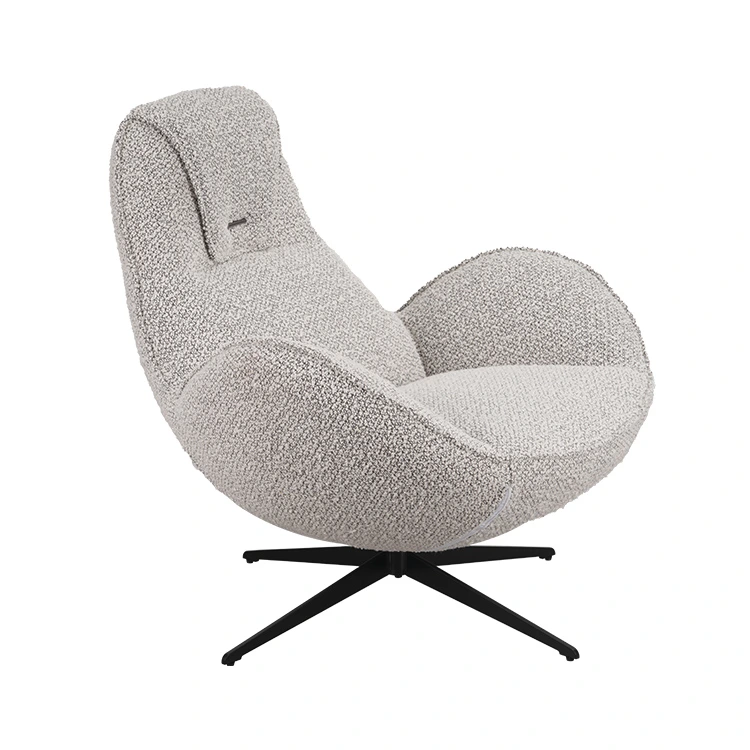
For a lounge-chair project, the sample should confirm more than the silhouette. It should test sitting position, frame stability, foam feel, seam placement, finish, floor contact, and packing.
PNA Furniture offers leisure chair products that can serve as reference points for a custom brief. Model PALC024A appears in the company’s category imagery. Ask for the current controlled drawing and material card before using it as a project basis.
Review Comfort with Defined Users
Record seat height, depth, width, back angle, foam build, and intended load. Have the project team review the chair in the posture and duration expected at the site. A five-minute showroom test may not reveal pressure or posture issues.
Test Construction and Finish
Check frame alignment, joint movement, weld finishing, upholstery tension, stitching, edge treatment, coating uniformity, and contact with the floor. Request destructive or load testing only under an agreed method and acceptance level.
Test the Pack
Use production-style protective materials and carton construction. Review hardware protection, surface rubbing, corner impact, carton weight, and the unpacking sequence. Packaging can damage a perfect sample before installation starts.
Coordinate Dual Production Lines
PNA Furniture’s project references describe a Dongguan base focused on R&D and high-end customization, plus a Vietnam line for standardized production and overseas delivery. The Vietnam line launched in June 2025 and focuses on mid-to-high-end cabinets, shelves, and related home products.
Assign the Work by Capability
Keep concept development, custom engineering, and complex sample decisions with the team responsible for R&D. Use the production location suited to the approved product, volume, materials, and delivery route. Do not assume every item can transfer between factories without revalidation.
Check Origin and Duty with Specialists
Vietnam production may support a different duty or logistics outcome for some destinations, but origin treatment depends on the product, processing, documentation, and destination rules. Ask a customs professional to confirm the current treatment. Do not promise a tariff result from factory location alone.
Reapprove Transferred Products
If production moves between sites, compare tooling, materials, subcontractors, equipment, workmanship samples, and inspection records. Approve a new production sample before shipment. “Same drawing” does not always mean identical output.
Freeze the Mass-Production Standard
Prototype approval shows that one item can be made. A production standard shows how the order will stay consistent.
The freeze package should include final drawings and bill of materials; signed finish, upholstery, stone, glass, and hardware samples; approved prototype photos and deviations; the inspection checklist and sampling plan; the packaging specification and shipping marks; production location and subcontractor controls; and the change-request form with approval contacts.
PNA Furniture states that its project support continues from sketches through after-sales service and includes an 18-month warranty. Confirm the warranty scope, remedy process, spare-part plan, and claim evidence for the actual contract.
Manage Changes Before They Become Defects
Material availability and production realities can force a change. The problem is not that changes exist; it is that an unapproved change reaches the buyer.
Require a written request showing the reason, affected items, old and new specifications, photos or samples, cost, schedule effect, and test impact. Approval should come from the named buyer representative. Silence should not count as consent.
Review the manufacturer’s project cases to see the range of executed interiors, then request evidence relevant to your own materials and volume. A beautiful unrelated project does not validate the current construction.
Two Field Cautions
First, do not let a project render become the inspection standard. A render does not define tolerances, hidden structure, color range, seam position, or packaging.
Second, do not rely on one “golden sample” without identification and safe storage. Label it, photograph it, seal loose finish pieces, and state who keeps the factory and buyer copies.
Send the room schedule, quantities, drawings, finish references, target market, installation date, packaging limits, and approval workflow to PNA Furniture before requesting prototypes.
FAQ
What proves that a custom furniture manufacturer can repeat a prototype?
Look for controlled drawings, material records, work instructions, inspection results, and a production sample.
Is a 3D rendering enough to approve a furniture order?
No. It communicates appearance but not the full construction, tolerances, materials, finish range, or packing.
When does a factory transfer require a new sample?
Reapprove when the production site, tooling, materials, subcontractors, or process can affect the finished product.
How should substitutions be handled?
Use a written change request with technical, cost, schedule, and testing effects before approval.
What belongs in the mass-production freeze package?
Include final drawings, materials, samples, deviations, inspection criteria, packing, production location, and change rules.


