

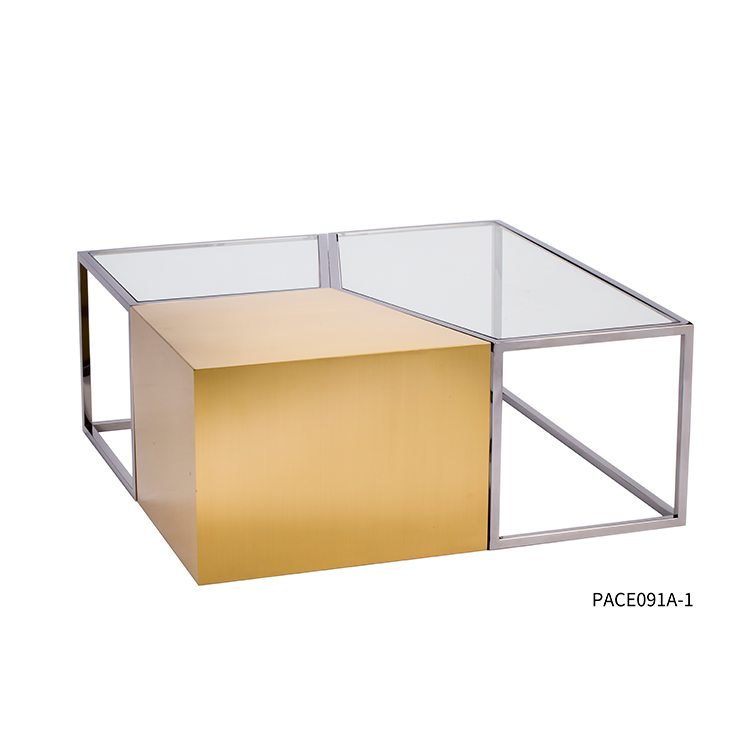
A bench for a hotel lobby, restaurant, showroom, or shared workspace must look right and remain comfortable after repeated daily use. The buying decision is not only about upholstery color. Seat depth, height, frame stability, edge shape, floor protection, cleaning method, and packaging all affect how the bench performs after installation. This guide gives hospitality buyers a practical specification for comparing commercial benches.
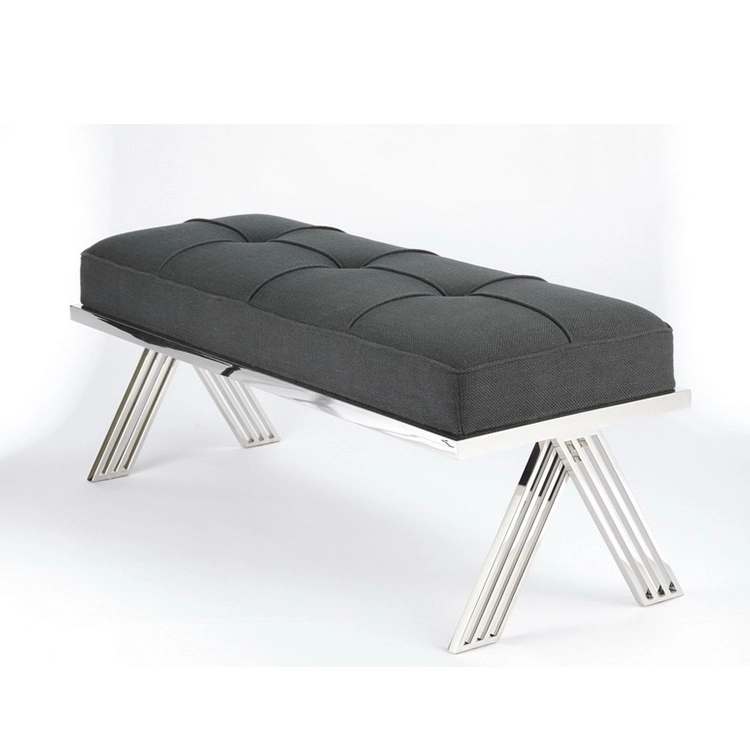
Key Takeaways
- Set seat height, usable depth, load expectation, and placement before choosing a style.
- Approve the frame, foam, upholstery, seam, and foot details on a physical sample.
- Test cleaning, floor contact, carton protection, and repeatability before releasing a larger order.
1. Start With the Use Case and the User Flow
A lobby bench may serve short waits, while a dressing-room bench or restaurant banquette may receive longer, repeated use. Record how many people may sit together, whether bags are placed on the seat, and how often the area is cleaned. These details shape the required seat width, edge firmness, and upholstery choice.
Placement also matters. A bench against a wall needs a different back or clearance arrangement from a freestanding piece in a circulation zone. Mark the walkway, door swing, skirting board, and cleaning equipment on the layout before approving dimensions.
2. Compare Comfort Through Measurable Details
Comfort comes from the relationship between seat height, depth, foam response, support, and edge shape. A deep seat may feel relaxed in a lounge but slow down turnover in a narrow waiting area. A firm edge can make standing easier, while a sharp corner can create a snag or impact point in a busy corridor.
The bench collection is a useful product reference, and PNA Furniture can provide the broader manufacturing context. Ask for the exact dimensions, material build-up, frame construction, upholstery options, and tolerance of the selected bench rather than relying on a styled photograph.
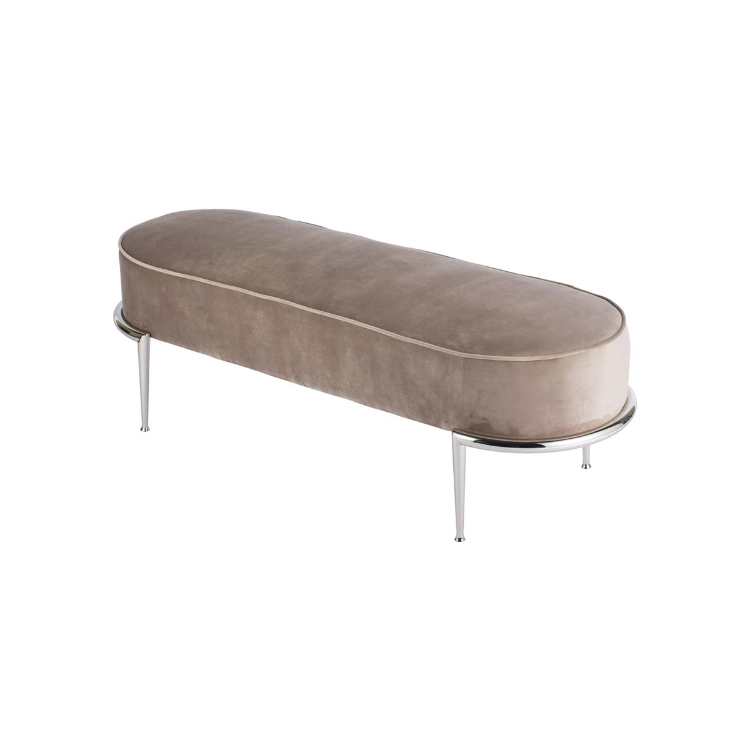
3. Inspect Frame, Upholstery, and Floor Contact
Before approval, check:
- Frame stability when pressure is applied at the centre and both ends.
- Even foam recovery after repeated sitting and edge loading.
- Seam alignment, piping, corner tension, and underside finishing.
- Foot geometry, floor protection, and clearance for cleaning tools.
Two field cautions matter. First, test the bench on the actual floor finish. A foot that is quiet on a showroom tile may mark timber or slide on polished stone. Second, clean the approved upholstery with the proposed method. A fabric that looks consistent after dry dusting may show a ring after damp wiping.
4. Keep the Sample and Packing Specification Together
A contract furniture sample should include a dimension sheet, upholstery code, frame finish, foam or filling description, foot detail, carton dimensions, and the agreed inspection points. Photograph the underside and the packed corners; damage often starts where a carton rubs against a leg or exposed frame.
PNA Furniture describes factory-direct OEM and ODM support. The about page can help buyers review the company context, while a written sample approval controls the specific bench being repeated.
5. Approval, Handover, and Change Control
Before release, ask the supplier to map each claimed feature to a document or inspection point. A product page is useful for identity and scope, but a purchase order needs the selected configuration, revision, dimensions, materials, interfaces, utilities, tolerances, and exclusions. Where performance depends on a sample, load, room condition, material, or duty cycle, write that condition into the test record.
The handover file should contain the approved drawing, quotation revision, sample photographs, test results, installation notes, settings, spare-parts list, training record, and the person responsible for each open item. This file is especially important when a product is integrated into an existing line or when different contractors handle civil work, controls, installation, and commissioning.
Use a change-control note when the layout, material, finish, firmware, packaging, or operating schedule changes. Explain which requirement is affected and whether the original test remains valid. A short re-test is usually cheaper than a dispute after shipment or production start. For the next review, compare the official site, the product reference, the application or project information, and the contact page with the exact configuration in the quotation.
The practical value of this record is that it lets a buyer distinguish a published typical value from an approved project result. It also gives operators a clear recovery path when an alarm, quality deviation, or maintenance issue appears. Keep the file with the asset, not only with the purchasing team, so future service staff can see the same assumptions that were used at approval time.
For first installations a short review is scheduled after the equipment or product has been used under normal circumstances. The results are compared with the approved sample and possible deviations in terms of cleaning, inspection, storage, operating limits and operator instructions are recorded. This short review is not part of the commissioning process but rather an observation of the difference between the controlled environment of the acceptance test and the actual operation. Possible deviations in results need to be analyzed whether they are caused by the product, by the surrounding system, by the environment or by a changed procedure and the corresponding corrective action has to be determined.
6. Cleaning, Replacement, and Site Review
A hospitality bench should be reviewed after it has been exposed to the actual cleaning routine and traffic pattern. Record the approved detergent, wiping frequency, drying time, floor contact, and any movement caused by repeated loading at the ends or centre. Inspect the upholstery for seam opening, color transfer, compression, and edge wear, and check that feet still protect the floor. If a site uses a different cleaner or places the bench closer to a radiator, window, or wet entrance, treat that as a change to the approved condition and repeat the affected check. A short post-installation review gives the buyer useful evidence for the next room, property, or replenishment order.
Keep the signed sample and final cleaning note with the property purchasing file so replenishment teams can reproduce the same comfort, finish, and floor-protection standard.
For company context and current contact routes, review the official website before final approval.
For additional product context, review the PNA chair-bed category before approving the final configuration.
Conclusion
A commercial bench earns its place when comfort, stability, cleanability, and delivery protection are specified together. Give PNA Furniture the floor plan, target dimensions, upholstery and cleaning requirements, quantity, and packaging expectations. Use the contact page to request a sample review before a repeat hospitality order.
FAQ
Q1: What bench dimension should be fixed first?
A: Set seat height and usable depth against the user flow and surrounding furniture.
Q2: Is a soft seat always better?
A: No. Support, edge firmness, posture, and cleaning conditions may favor a firmer build.
Q3: What should a hospitality sample include?
A: Include frame, foam, upholstery, feet, dimensions, underside finish, and packing method.
Q4: How should upholstery be approved?
A: Test the proposed cleaning method and retain a signed fabric reference with the order.
Q5: What should accompany a quotation?
A: Send the layout, target quantity, dimensions, materials, finish, inspection points, and delivery packaging requirements.


