

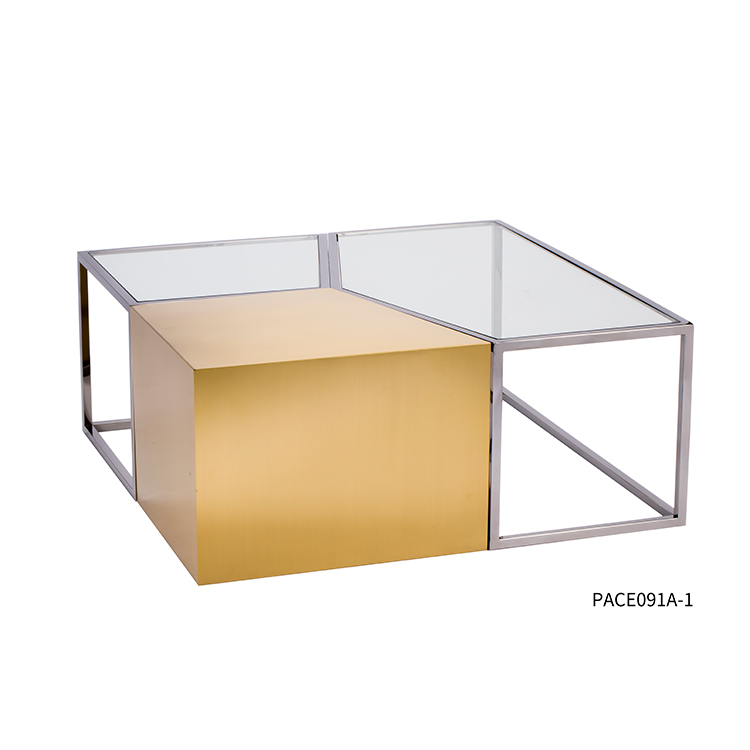
I’d leave the cleaner in the cupboard until the order confirms the top. The table could be natural marble, artificial marble or a coated product, and advice meant for one can harm another. With an uncertain specification, a dry soft cloth is as far as I would go while asking the supplier.
The ring is pale, the table looks like marble, and there is a bottle of cleaner nearby. It is tempting to put the three together. But what is the ring? Something left on the face, color held below it, or polish that has changed? For marble coffee table care, that question takes us back to what was purchased.

Identify the surface before choosing a cleaner
The model code would settle more for me than another photograph. Marble look is used for slabs, manufactured composites and printed artificial-marble faces, yet tells us nothing about their different reactions to water, acid, heat or scrubbing. I’d look at the order or label and ask what was supplied, including the outer finish.
Natural marble and artificial marble need separate instructions
PNA Furniture’s PACE233A is a good reason to read the option on the order: the set is listed with 30 mm artificial marble tops, but natural marble is available as well. Which one arrived? The page says to use a soft cloth. I’d keep that instruction with the selected material, rather than let a marble photograph decide the cleaning routine.
For confirmed natural marble, there is the Natural Stone Institute’s natural-stone care guidance: mild, non-acidic cleaning, with an explanation of etching. That is the document I’d read for stone. If the order says artificial marble, coated panel or an unknown finish, I’d go back to the maker instead, including before any test patch.
Confirm the finish as well as the material
Material confirmed, I’d still ask about the face we’re cleaning. A honed finish isn’t a polished one; there may also be resin, print, sealer or a coating over what lies below. I’d get the allowed everyday cleaner and prohibited products in writing and keep them beside that finish on the furniture schedule.
I’d leave the dry soft cloth as the only cleaning step while waiting for the model confirmation. A magnet and another photograph aren’t a reliable answer for every composite or coating. Sending the code to the supplier is more useful than experimenting with a chemical or rough pad at this point.
Is the mark a stain, an etch, or surface residue?
|
What you see |
What may be happening on confirmed natural marble |
First response |
|
A darkened area after liquid contact |
Moisture or staining below the surface |
Blot, dry, and check whether the mark fades |
|
A pale, dull patch with a changed sheen |
Surface etching from an acidic substance |
Stop cleaning experiments; ask a stone-care professional |
|
A cloudy film that moves when wiped |
Cleaner residue or surface film |
Use only the maker-approved cleaning method |
Appearance alone cannot confirm the cause; identify the material before treating a mark.
The useful distinction is where the change sits. Residue lies on the face, a stain holds discoloration in or beneath it, and an etch changes polish by a chemical reaction. I’d report what can be seen without claiming to know the cause. The fact that one cloudy area wipes away doesn’t explain the patch that stays dull.
Color changes and loss of polish
I would read the U.S. Environmental Protection Agency’s explanation of acid-rain damage to marble and limestone for the chemistry, not as a coffee-table cleaning instruction. It concerns calcium carbonate reacting with acid outdoors. Indoors, citrus may leave dullness after wiping for the same underlying material reason. That change in polish differs from absorbed staining. Sealing may reduce absorption, but doesn’t make the stone stain-proof or acid-proof.
There is a different repair question on a coated imitation: would polishing take away part of the face? A cloudy mark could be residue or damage from abrasion or chemicals. I would want to know which before trying anything that could alter the coating’s sheen.
When to stop diagnosing at home
If the finish becomes rough or a coating lifts, I’d leave it there, as I would for a spreading mark, crack, chip or open seam. The enquiry needs one close photo in indirect light and one showing the table, plus model, finish and what has been used on it. There’s no need to guess an unknown material in that message.
For a rental or hotel I’d hand over the unresolved question with the cleaning history. Please leave this mark pending finish confirmation is a better note than asking the next shift to try another cleaner. That can enlarge the damage and erase the trail of what happened first.
Imagine a citrus ring on two similar-looking tables. Confirmed natural marble with changed sheen may have etched; acid cleaner or polishing powder could worsen it. A coated imitation may instead have residue or coating damage. I wouldn’t choose a remedy from the shared appearance. Keep the spill and ordered finish together in the note before following the appropriate care instruction.
How to clean a natural marble coffee table
On confirmed natural marble, I’d take off loose grit with a clean soft cloth before doing anything wetter. A spill should be blotted promptly. Then use neutral stone cleaner or diluted mild detergent in the directed amount, rinsing and drying afterward. The point of the soap isn’t to chase a remaining patch with ever stronger doses.
Remove loose grit, wipe gently, rinse, and dry
Is the cloth clean, and has the rinse water been changed? I’d check both before bringing grit and soap film back over the face. After blotting a drink, clean and dry with fresh materials. For the next cup of wine or citrus drink, use a coaster; give heat and rough objects a mat or trivet instead of direct contact.
I would keep that natural-stone routine separate from the PACE233A artificial-marble instruction to use a soft cloth. A ring remaining after blotting is a reason to ask what comes next for the purchased finish, not to increase cleaner strength. Film moving under a damp cloth may be residue; fixed dullness may involve the finish. Neither tells us that an unknown top can safely be polished.
Avoid acidic and abrasive cleaning shortcuts
The kitchen cupboard doesn’t offer a universal fix. Vinegar and lemon are acidic, like descaler and some multipurpose cleaners, so susceptible natural marble can be etched by them. I’d avoid powder and rough pads because they can scratch or dull the polish. Bleach, ammonia, solvents, rust removers and DIY poultices belong in a discussion about a specific stain on identified stone, with the neighboring materials considered too.
The Safer Choice program is an ingredient review, so I’d still check the cleaner against the ordered finish. Follow the bottle and supplier directions, without mixing chemicals. A stubborn natural-stone mark is a question for a stone-care professional, with the Natural Stone Institute’s care guidance as a reference. Artificial and coated products need separate advice. More washing isn’t a way of rebuilding altered polish.
Why sealing does not prevent every mark
Sealing answers the absorption question, not the polish question. An impregnating sealer may slow liquids getting in; it leaves no acid-proof film, and sealed marble can still etch. I’d base resealing on the stone and product-makers’ directions rather than a recurring date in the calendar.
Before using stone sealer on an artificial or coated face, I’d ask the maker what it would do there. A product meant to absorb can stay as residue instead. I would keep the material name, protection already present and approved ordinary cleaner as separate care notes. A word like sealed cannot answer all three questions.
Turn the material specification into a practical care sheet
I’d request the care sheet when the surface option is agreed, rather than after the delivery has been put into use. It is easier then to ask whether a stone-cleaner note actually concerns the artificial-marble option ordered. And if the answer is soft cloth, what does the maker want staff to do after spills? Which chemicals must they avoid? Those details belong on the handover.
I’d check a housekeeping card by putting it beside the table. Can someone match its model and surface option without opening the order history? The card needs the material and finish as well as what cleaner is permitted and what is prohibited, followed by spill response and rinsing and drying. If the match is unclear, the cleaning advice hasn’t reached the right item yet.
Keep tabletop and metal-base instructions separate
A metal base makes this a two-material cleaning job. I’d give the frame its own line instead of assuming the tabletop cleaner suits it. For the top, record the cloth and permissions for water or neutral cleaner, plus drying. For the base, name the finish and any moisture or polishing limits. One shared instruction can hide a conflict between them.
I’d check the model reference when replacement parts or care cards arrive and leave the approved instructions where staff can reach them. A correct sheet filed only in purchasing won’t help the cleaner standing beside the table.
Match instructions to the actual coffee table order
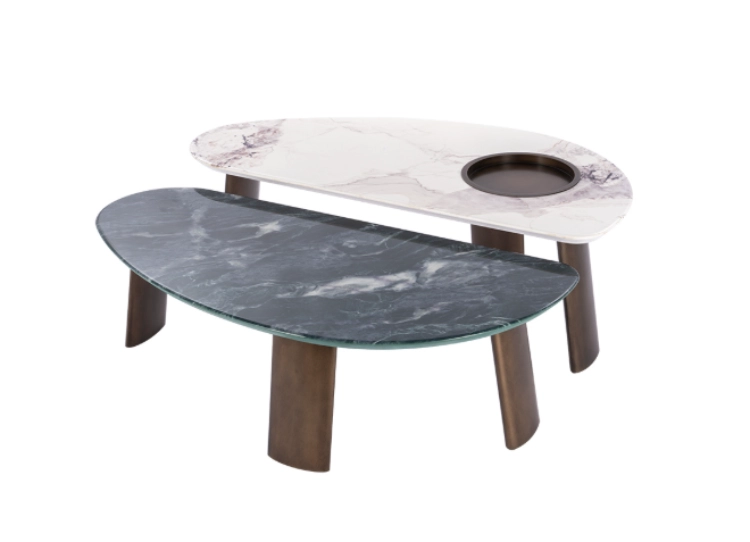
For the PACE233A nested coffee table set, the listed option is artificial marble: two tops of 30 mm, a metal base and separate dimensions for each table. The page asks for a soft cloth. I’d attach those details to the batch’s chosen finish. If the buyer switches to natural marble, I’d ask for the matching care sheet with the change, before approving it.
The coffee table category helps when comparing sizes, but I’d go back to the chosen item’s specification for its material. The leisure chair range and side table range are other categories, not evidence about this top. Keep the approved SKU details with the care card, including for replacements. Otherwise an old finish’s instruction may follow a new top by mistake.
When to ask for help
I’d put the model and surface option in the message with close and wide photos, spill details and the cleaners used. Ask what treatment is permitted for the actual finish. That gives the supplier a defined question while the unidentified composite or coating remains unpolished.
Frequently Asked Questions
Can vinegar remove a ring on marble?
Vinegar would stay off the natural marble if I were choosing a cleaner. Acid may alter the polish while the ring is being treated. With a coated or artificial-marble table, I’d ask what its own care instruction permits, rather than extend that natural-stone advice or assume a stone-like face can tolerate a kitchen acid.
Will a sealer repair an etched surface?
No. I’d see sealing and repairing polish as separate decisions. A sealer may reduce absorption on some stone, but doesn’t undo etching. A stone-care professional can advise about repolishing identified natural marble; the supplier should advise on an artificial or coated product.
For the model or finish question, contact PNA Furniture with the order, photos and exact tabletop specification. Its About us page gives company information. I’d include the selected surface option in the enquiry so the reply concerns the table supplied, rather than another version pictured online.


