

The life of a chair in a hotel’s dining room is to be moved, cleaned and used by guests throughout the day. A breakfast chair might be used by several guests for breakfast and then by lunch time moved to the lunch area. An event chair might be stacked and moved from room to room. The use of a chair in a hotel’s environments puts extreme pressure on the joints, finish, upholstery and floor glides of the chair. Seeing a chair in a showroom only gives you a small impression of the chair. In addition to repeatable dimensions of the chair, easy packing and sufficient stock of replacement parts are required.
Start with the work the chair has to do. Record the frame and material, key dimensions, approved finish, inspection points, carton details, and production location. This gives the buyer and factory one reference for repeat batches and makes quotations easier to compare.
Start with the Workload, not the Look
Take note of where you intend to place each model and how you will be operating throughout the shift. In a breakfast diner for example, fast reset capability and frequent wipe down’s are key. Banquet seating often involves more lifting, stacking and storage than other types of seating and so this would influence the choice over how it looks in the room as opposed to where it goes.
Build a Simple Use Profile
Keep the use profile short – 4 details are sufficient to guide the first sample review.
- Approximate covers served per day and peak turnover periods.
- Whether staff move chairs several times during a shift.
- Cleaning products used on fabric, wood, metal, or coated surfaces.
- Storage limits, lift access, carton size and access for replacement stock.
These notes help to rule out occasional use chairs.
Specify the Frame and Joinery
A steel chair frame drawing is just the starting point. We would also like to know what type of tube or sheet is used, what type of joints are used, if jigs are used to align the metal and what surface treatment is applied before painting. The process information for steel chairs at PNA Furniture details steel-tube cutting, CNC or laser cutting of sheets, welding, weld-seam grinding and polishing. Tubes are held by dedicated jigs during welding. Over 1,000 sets of jigs are stored for mass production.
Check underside, back joints and connections of legs for rough welds showing through coating and sharp edges that can cause problems as service items. Check that all four feet of sample chair sit level and do not mark floor when chair is moved.
Set Dimensions that Work with Hotel Tables
More than just comfort is affected by the dimensions of a seat. A chair that is too high for the table height decreases the under seat space. A wide chair base can be too wide for an aisle or even reduce the number of chairs that can be placed around a table. Record the seat height, width and depth as well as the arm height and the space between the legs. Attach this approved drawing to your order so that a repeat batch is produced with fixed dimensions.
Check the Main Measurements
For each chair, request:
- Overall width, depth, and height in millimetres.
- Finished seat height and cushion compression allowance.
- Allow for sufficient clear width between arms where model arms are supplied.
- Net weight and packed carton dimensions.
- Carton quantity, gross weight, and cubic volume.
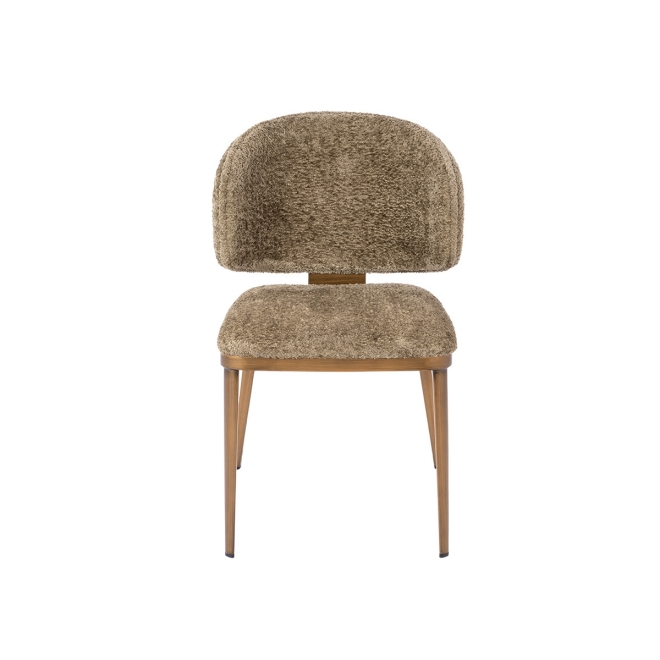
This reference can be used for the initial creation of a layout and freight quote, PADC032A dining chair . Refer to the detailed specification listed for this product including seat height and clearance to table draw prior to approval. Note overall dimensions alone are not sufficient to approve for production.
Test Comfort in Short and Long Sittings
Don’t judge a chair by its cushion depth. Inspect the front edge, the back angle, the material and the amount of support it gives to different sized people. A short sit may not pick up all the pressure points that become apparent over a long dinner. Moving the chair around the table and getting staff to lift it and check clearance can also reveal some critical points.
Choose Finishes that Staff can Maintain
The finish of a surface is often a matter of maintenance as well as color. A well-made chair can look awful if the surface finish is worn and the coating is chipped or the upholstery is stained. Choose the finish based on the surface and the housekeeping for that surface and then choose the color.
Match Fabric, Metal, and Wood to the Cleaning Routine.
The care and cleaning of the chosen fabric must be explained in detail. This must include regular wiping, local treatment of stains as well as deeper cleaning. The chosen fabric must also be checked against the housekeeping products that are already in use. PNA’s metal finishing process includes anti-rust treatment and primer. This is then followed by low-temperature baking for around 2 hours at a temperature of 45-50°C and then a manual topcoat. More than 30 different textures and surface finishes are available from the factory. With so many options available, a simple color name is not sufficient. Approval of a physical sample or written code name is required.
Retain the approved swatch or signed sample code with the order record. Two finishes with similar names can look different when reflected by light and this difference is readily apparent on chairs in a room.
Leave Room for Normal Wear
The front seat edge, leg ends, and back are likely contact points, so ask what can be replaced after wear. PNA Furniture states an 18-month quality warranty for normal use and replacement support for manufacturing defects. Put the meaning of normal use, the evidence needed for a claim, and the approval route in the contract. A warranty is easier to use when those points are settled before delivery.
Make Inspection and Packing Part of the Order
Before production starts set the acceptance criteria. A short checklist plus photos of the approved sample serve as a reference for the quality control inspector and the factory to reject the same kind of defects.
Use a Practical Pre-Shipment Checklist
PNA’s stated inspection covers color and finish, size, cleanliness, scratches, welds and weld scars and dents. For use in hotels it’s also sensible to check a few extra things.
- Compare colour and sheen under neutral light.
- Measure a sample from each production batch.
- Inspect welds for scars, pits and sharp edges in visible areas and hidden areas as well.
- Check that feet are level and there is sufficient contact with the floor to maintain stability on a flat surface.
- Inspect upholstery seams, fabric direction, and loose threads.
- Photograph carton labels, quantity, and damage before loading.
Keep one approved chair and carton sample for future reference, i.e. to settle questions about a replacement, installation etc. of chairs for a subsequent production lot.
Review Carton Efficiency and Damage Risk
Use PADC032A to pack 2 chairs per carton with a volume of 0.197743 CBM for initial container estimates. Confirm packed dimensions and gross weight for your specific finish. Also ensure packaging does not allow chairs to rub against each other and are fully protected against corner crush, moisture penetration and other transit pressures. Freight savings are rapidly eroded by damaged chairs.
Compare China and Vietnam Production Routes
Factor such as cost, admin and duty are affected by production location. PNA Furniture has R&D and Customisation work going on at the Dongguan facility. In June 2025, PNA set up production in Vietnam for mass standardized production for local and overseas orders. See if both facilities can quote against a repeat model order and work from the same specification.
When Vietnam Production May Help
For a standardized chair order, production in Vietnam might be of interest as it usually offers a lower-duty way to Vietnam as well as an alternative way of shipping. Even if a model is ordered in smaller quantities than a full-container load of that article is needed for other properties, this is usually no problem.
Remember that a duty savings isn’t confirmed until the necessary documentation is received. Ask for proposed HS classification, country of origin, chair invoice and available origin documents. The answer will depend upon the destination for sale of the chair and its component parts – your broker will confirm in writing the applicable treatment for comparison of landed cost.
Keep Custom Work in the Right Base
As custom items with special dimensions, mixed material construction or initial prototypes Dongguan R&D is likely the better option. Standardized repeat orders on the other hand might be better produced in Vietnam. Compare both options based on one drawing, one finish sample, same cartonning, same inspection criteria for the factory to ensure a fair comparison of the landed cost.
Evaluate PADC032A for the Right Guest Area
The PADC032A dining chair pairs fabric upholstery with an antique metal finish. Its listed dimensions are 460 x 580 x 810 mm, with a rounded back and padded seat. For a hotel project, the key question is how that combination holds up in the intended room: test fabric cleaning, seams, finish colour, leg stability, and carton protection before approving the bulk order.
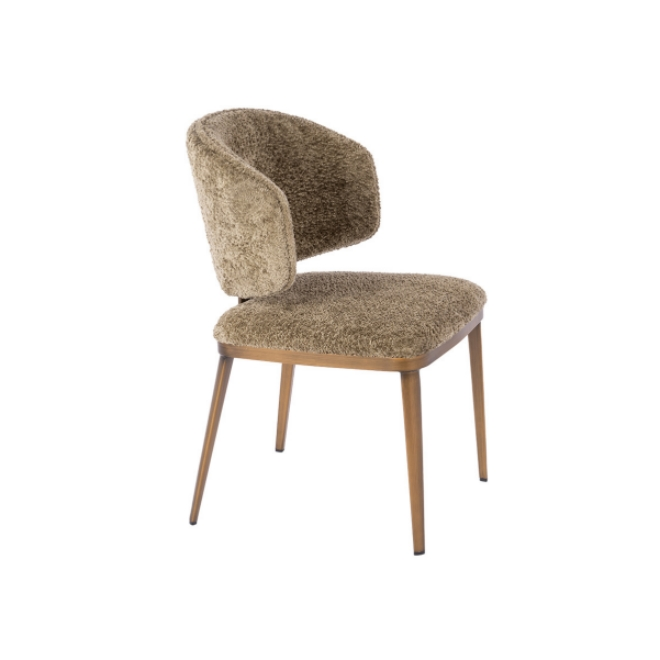
Reference the product page and request a sample in the specified fabric and finish for your project. If you have ordered custom cushions in a particular color, it is best to confirm the dimensions for clearance and packaging purposes. Additionally, please confirm which spare covers and parts are available for the specific version that you have ordered.
Ask These Questions before You Approve a Supplier
The reference to company information and project case serves as a starting point for checking suppliers. The offer must then also answer site specific questions.
- Which factory will produce this model and with which finish?
- What are the approved dimensions and tolerances?
- What cleaning agents are suitable for the selected fabric and coating?
- Welds, dents, color differences and rocking legs to be checked.
- Carton quantity, CBM, gross weight, replacement process ?
- Can we use production from Vietnam and what kind of origin documents can we provide?
- What happens if a small percentage of chairs arrive damaged?
Send the drawing, finish sample, inspection sheet, and packing requirements with the purchase order. For a quotation, go to the PNA Furniture homepage or send us the project details via the contact page.
FAQ
Q1: What are the key factors to consider when selecting dining chairs for a busy hotel restaurant?
A: The frame and joints of a chair are so much more important than the look of a chair in a showroom. Also consider seat size, cleanability and replaceability of chair support. These are all critical to how a chair will perform on a daily basis.
Q2: Is PADC032A suitable for hotel dining areas?
A: It may fit areas where the 460 x 580 x 810 mm dimensions, fabric upholstery, and antique metal finish work with the tables and cleaning routine. Check a project sample before placing the full order.
Q3: Can a Vietnam production route reduce import duties?
A: Possibly, for eligible orders, but there is no guaranteed savings. A number of factors can influence the applicable import duty including origin, HS classification, destination requirements and customs clearance processes. It’s best to check with a broker for the applicable duty rate for your shipment.
Q4: What should a pre-shipment inspection cover?
A: Compare colour, finish and dimensions with the approved sample for shipping goods. Check for cleanliness, scratches, welds, weld scars, dents, upholstery seams, stable feet and carton condition before loading.
Q5: Planning for replacement chairs.
A: Document model number, fabric, finish code, drawing and carton code. Confirm how spare parts and warranty will be handled prior to production. Keep approved sample for future reference against.


