

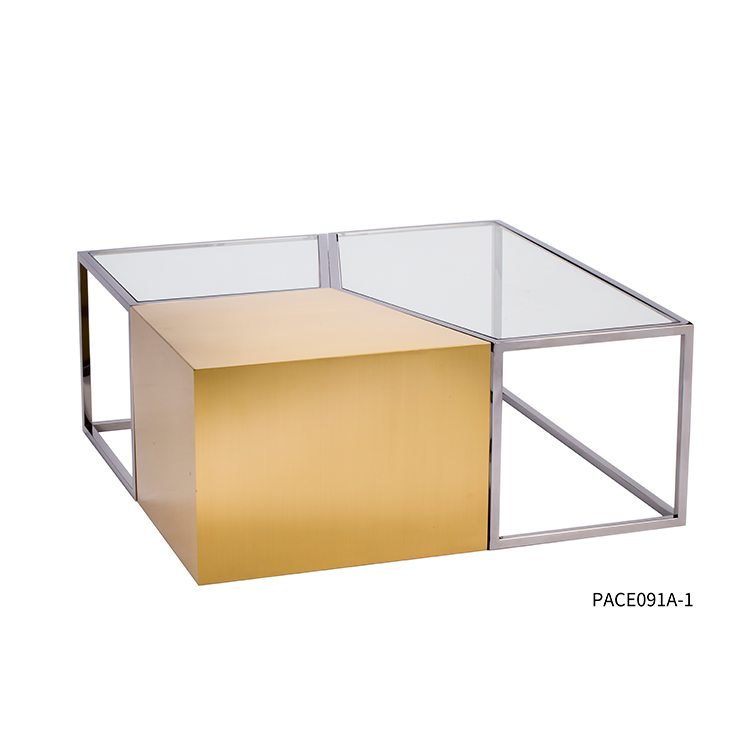
Commercial bar stool approval should begin with seat height, footrest position, base stability, finish durability, and cleaning exposure. A visually attractive stool can still create discomfort or tipping risk when its dimensions do not match the counter and floor conditions. The final choice depends on how the product behaves under repeated use, installation limits, cleaning or maintenance conditions, and the failure cost if the wrong version is selected. The safest route is to test the mechanism behind commercial bar stool, compare the trade-offs, and place the purchase decision around measurable checks instead of broad claims.
Key Takeaways
- Commercial Bar Stool selection should be tied to the real use condition, the likely failure mode, and the acceptance test.
- Sample approval should record measurable behavior before and after storage, installation, cleaning, running, or repeated use.
- A clearer quotation starts with application photos, target specification, packaging limits, and the inspection method for bulk goods.
Furniture Comfort Begins with Human Geometry and Room Use
Commercial bar stool footrest design depends on the way material structure, geometry, movement, and the use environment interact. In commercial furniture work, many failures appear after repeated cycles rather than during the first visual inspection, so the product has to be judged under the same stress it will face after delivery.That stress may come from temperature, moisture, load, speed, surface contact, cleaning chemistry, storage time, or operator handling.
Room-Based Checks That Matter Before Bulk Seating Orders
A sample should be approved only after the test method matches the real service condition. The table below keeps the comparison tied to observable evidence.
|
Check Point |
What to Measure or Confirm |
Common Failure If Ignored |
|
Material behavior |
Hardness, density, thickness, viscosity, or fiber structure |
Early wear, deformation, unstable texture, or weak output |
|
Operating condition |
Heat, moisture, load, speed, pressure, or cleaning chemistry |
Product passes a clean sample test but fails in routine use |
|
Fit and handling |
Size, access, installation route, packaging, or user movement |
Rework, poor presentation, or difficult maintenance |
|
Acceptance record |
Photos, measured result, sample label, and test date |
Disputes when bulk goods are compared against memory instead of data |
How Commercial Bar Stool Should Be Approved for Commercial Use
Where the application matches this operating profile, Commercial Bar Stool gives the project team a concrete reference for sample checking and quotation. PNA Furniture can support product selection, customization details, packing confirmation, and final approval before shipment.
Furniture Samples Should Be Tested in the Room Where They Will Work
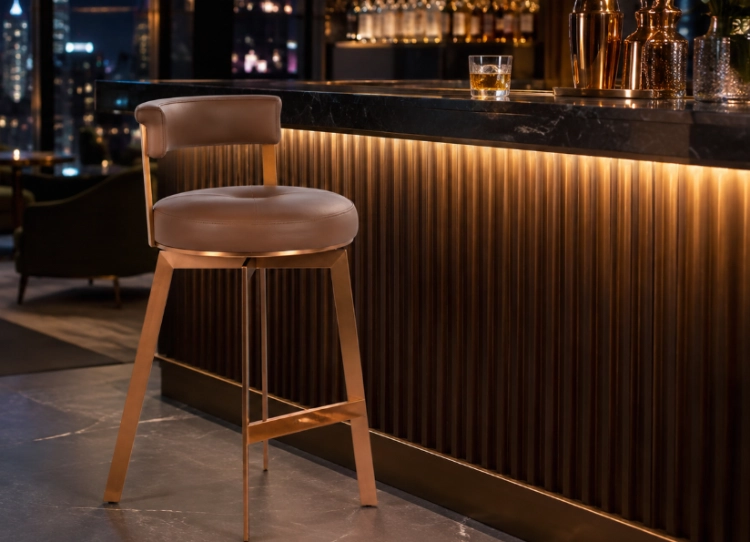
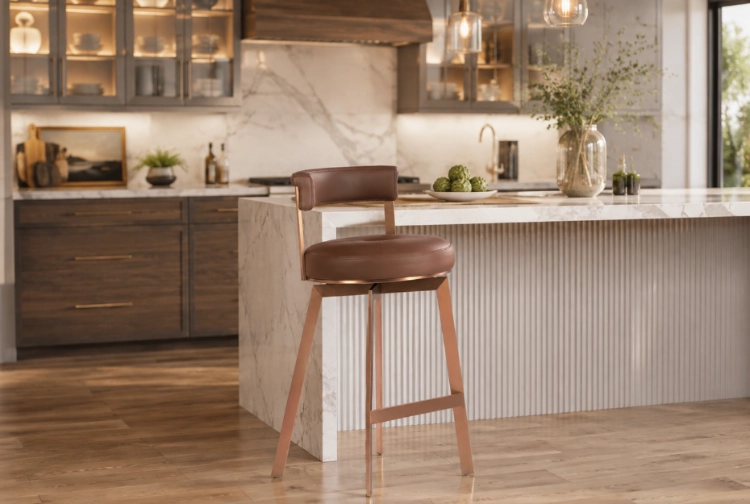
A bar stool sample should be reviewed with the actual counter height, floor material, lighting, cleaning method, and expected guest turnover. A stool that feels balanced on a showroom floor may rock on tile, mark a wood finish, or place the footrest at an awkward height after several minutes of sitting.
Check seat height, footrest clearance, frame welds, glide material, upholstery edge wear, and how the finish behaves after a simple cleaning attempt. These checks reveal daily-use value better than a catalog angle.
Use the commercial furniture product range to compare related seating or table options after the room geometry is known. The right product should fit the circulation path as well as the interior style.
Comfort Is a Geometry Problem Before It Becomes a Style Problem
A bar stool succeeds when seat height, counter height, footrest position, back support, and movement work together. A seat that looks elegant can feel tiring if the knees, hips, and feet do not find stable positions.
Check the stool against the actual counter, not a generic dimension. A 20 to 30 mm mismatch can change how the footrest feels. The floor glide should also match tile, wood, carpet, or stone because noise and rocking are part of the guest experience.
Finish Durability Should Be Tested with the Cleaning Routine
Metal finishes, upholstery edges, and seat seams face repeated wiping. A sample should be cleaned with the same cloth, detergent, and frequency expected on site. Look for color transfer, shine marks, loose stitching, exposed welds, and footrest coating wear.
Furniture procurement becomes less risky when the approval includes photographs after cleaning and repeated sitting. Those records are more useful than judging finish quality only in a showroom.
Footrest Geometry Decides Whether the Seat Feels Stable
A commercial bar stool is comfortable only when the body has three stable references: seat, feet, and sometimes back support. If the footrest is too low, guests slide forward. If it is too high, the knees crowd the counter. A common approval check is to test the stool with the real counter height and allow roughly 250 to 300 mm of knee clearance, then adjust by the venue’s seating posture.
The footrest also carries wear. Shoes rub the same metal line hundreds of times per week in a bar, cafe, or hotel breakfast area. Inspect welds, coating thickness, edge smoothness, and whether the footrest position encourages twisting that can loosen the frame.
Floor stability is part of comfort. A stool that rocks by 2 or 3 mm on tile will feel worse than the number suggests because the movement repeats every time the guest shifts weight.
Cleaning and Noise Should Be Included in Sample Approval
Hospitality furniture faces wiping, mopping, dragging, and stacked storage if the venue rearranges rooms. Test the finish with the same detergent and cloth expected on site. Look for dull marks, color transfer, seam swelling, and loosened glides after repeated cleaning.
Noise matters in dense commercial interiors. Plastic glides, felt pads, or metal feet behave differently on stone, wood, carpet, and ceramic tile. A quiet sample in one room may scrape loudly in another, so approval should happen on the target floor material.
Approval Should Include a Service-Day Simulation
A service-day simulation is simple: place the stool at the real counter, sit for several minutes, move it across the floor, wipe it, and inspect the footrest and glides afterward. This reveals comfort, noise, cleaning behavior, and finish marks better than a static product photo.
For commercial projects, ask for frame material, finish method, upholstery option, carton packing, and spare glide availability. Replacement parts may sound minor, but a venue with dozens of stools needs a practical way to handle wear without replacing the whole seating set.
Packing Quality Affects the First Day on Site
Furniture damage often happens before the stool reaches the room. Carton strength, corner protection, leg wrapping, and hardware separation should match the shipping route. A scratched footrest or bent glide on arrival creates installation delays even when the stool design is correct.
For projects with many seats, request carton labels that identify model, finish, color, and quantity clearly. Fast receiving reduces mixing errors when several furniture items arrive together for one venue.
Site Pitfalls That Show Up After Installation
Do not approve a sample only under clean-room style conditions. The routine environment should be part of the test: dust, humidity, hand pressure, load variation, washing, or repeated handling can change the result.
Do not let a single attractive specification hide the trade-off. Higher hardness may improve wear but raise surface risk; larger capacity may add weight; stronger adhesion may slow cleaning or replacement.
Ask for the exact product name, linked page, packaging method, and test condition in writing. A clear record prevents the bulk order from drifting away from the approved sample.
FAQ
What Is the Most Important Check Before Choosing Commercial Bar Stool?
The most important check is the condition that would cause failure in real use. That may be heat, pressure, wash exposure, weight, edge quality, texture stability, or installation space.
When Should You Avoid Commercial Bar Stool?
Avoid it when the working condition falls outside the tested range or when a different material, size, control method, or maintenance routine would reduce risk more effectively.
What Should Be Included in a Better Sample Request?
Include application photos, target size or specification, expected use frequency, cleaning or maintenance method, packaging needs, and the acceptance test that will decide approval.


