

Hotel dining chairs are very worn, as they are moved and used by many people of different shapes and sizes. Although comfort is a priority, the frame must be stable, the upholstery durable, the chair easy to clean and allow for good service clearances. Testing of sample chairs must take place under realistic circumstances, i.e. at the correct table height on the appropriate floor, and subsequently tested for factors such as seat and back support, wobble, stress on seams and finish, and how easy surfaces are to clean by staff. Appearance does not necessarily determine cost of maintaining a chair in service.
For hotel and restaurant projects that need coordinated seating, PNA Furniture can be assessed from sample comfort, frame construction, upholstery cleaning, finish durability, table compatibility, and the quantity/packing plan for site delivery.
What a Hotel Chair Has to Survive Between Guests
- Hotel dining chairs need comfort, cleanability, stack or movement logic, and frame stability under repeated service.
- Upholstery choice should be judged by abrasion, stain response, seam stress, and maintenance routine.
- Sample review should include a real dining table height, not a chair in isolation.
A Hotel Chair Is Used Harder Than It Looks
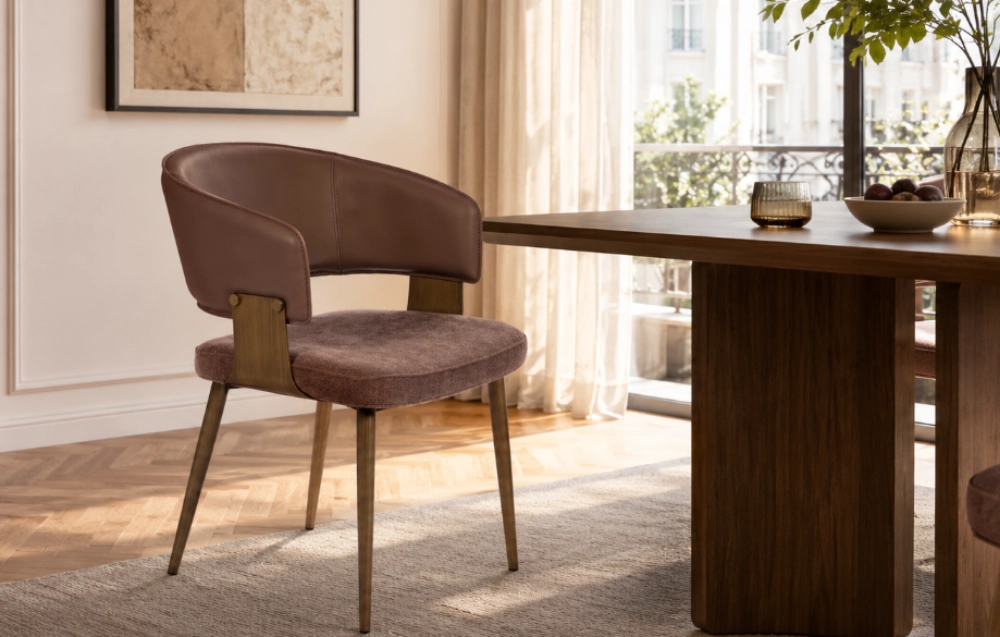
Hotel commercial dining chairs are subject to long hours of service, constant pulling, harsh cleaning chemicals, unknown guest weights and last minute room layout changes. What feels good in a showroom can fail fast in a hotel breakfast service, when the frame of the chair begins to twist and the legs scratch the floor, or the upholstery begins to stain.
Chair performance is closely tied to the room around it. The same layout and durability issues that cause commercial dining tables fail can also shorten chair life when aisle spacing, floor conditions, table height, or daily moving practices are ignored.
Comfort Comes from Proportion, Not Cushion Thickness Alone
Many factors determine seat comfort. The seat height, seat depth, back angle, front edge design and the recovery of the seat foam all are factors that determine the seating comfort of a chair. A thick seat cushion does not necessarily mean a comfortable seat. A very deep seat for short users can be uncomfortable as well as a seat with a very hard front edge that presses up against the back of the knee. For hotels, comfort must serve many body types instead of one ideal user.
A practical sample test uses the intended dining table height and asks staff to move the chair repeatedly. The best chair is comfortable for guests and manageable for service teams.
Upholstery and Frame Checks
|
Component |
Inspection Point |
Service Risk |
|
Upholstery |
Abrasion, stain response, seam strength |
Early visible wear in high-turnover rooms |
|
Foam |
Recovery after repeated sitting |
Flattened seat and poor comfort |
|
Frame |
Joint rigidity and leg alignment |
Rocking, noise, or broken joints |
|
Feet |
Floor contact and glide material |
Scratched tile or uneven movement |
Product Fit in Commercial Interiors
A Commercial Dining Chair should be reviewed with the project’s real table and cleaning routine; PNA Furniture can then be compared by seat comfort, frame stability, upholstery abrasion, seam quality, finish, and how well replacements can match later phases.
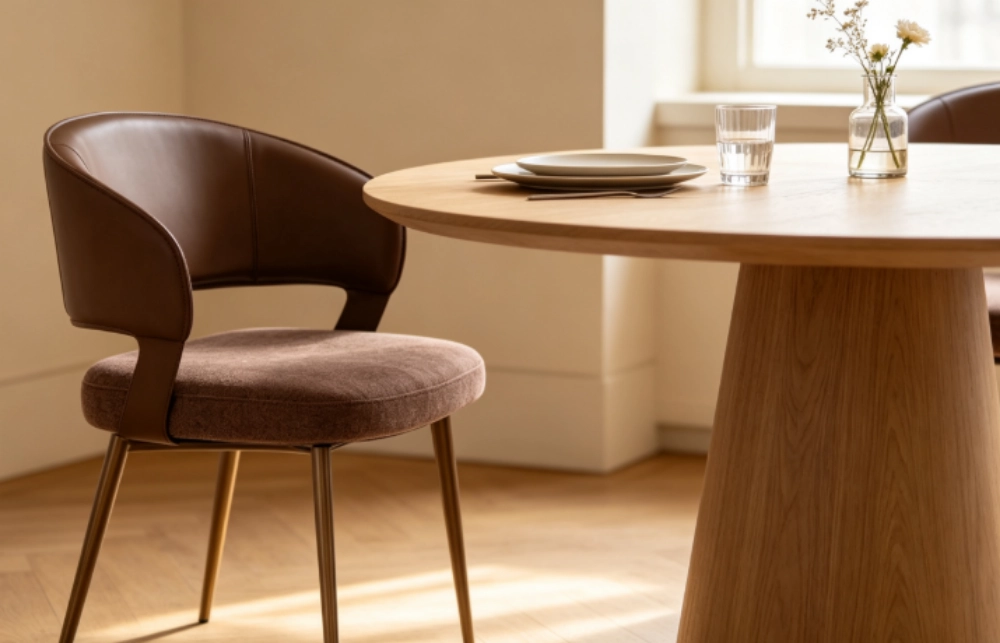
For mixed spaces such as breakfast areas, lounges, and banquet corners, chair durability should be checked together with movement frequency. Lightweight chairs are easier to move, but they must not feel unstable when guests sit down.
Common Buying Mistakes
One mistake is judging the chair only by appearance under perfect lighting. Another is ignoring cleaning chemicals. A third is selecting a chair without testing how it sounds and moves on the actual floor material.
A better approval process checks comfort after ten minutes, leg stability, fabric response to a small stain, and how easily staff can lift or reposition the chair during service.
Furniture Sampling Should Recreate the Room
Commercial Dining Chair should be reviewed inside the intended interior setting, because commercial dining chairs for hotels performance depends on table height, aisle spacing, floor material, cleaning routine, upholstery choice, and how often the furniture is moved. A comfortable chair in isolation may be awkward in a crowded dining room.
The sample should be tested by sitting, moving, lifting, cleaning, and checking floor contact. Noise, wobble, glide marks, seam stress, and cushion recovery are practical quality signals that product photos cannot reveal.
For hotel and commercial interiors, replacement consistency also matters. If the project may reorder later, finish, fabric, color, and hardware should be documented so future replenishment does not break the room’s visual consistency.
Project Confirmation Questions
What table height, room density, floor material, and cleaning method will the furniture face?
Will the chair be moved daily, stacked occasionally, or kept fixed in one layout?
Which upholstery risks matter most: abrasion, staining, color fading, seam stress, or foam flattening?
Does the project need matching tables, benches, stools, or custom finish coordination?
Hotel Chair Samples Should Be Tested Like Service Furniture
A hotel dining chair is handled many more times than a residential chair. Staff lift it for cleaning, guests drag it across different floor surfaces, and upholstery is exposed to food stains, body contact, and repeated wiping.
Seat comfort should be checked after several minutes, not from a quick sit. Cushion compression, back angle, front-edge pressure, and arm clearance all affect whether the chair feels suitable for breakfast rooms, banquet spaces, or lobby dining.
Frame checks should include wobble, joint noise, glide contact, stacking or movement behavior, and carton protection. A visually attractive chair can become a maintenance problem if these service details are ignored.
Upholstery approval should include one realistic cleaning attempt, because water rings, shine marks, and color change often appear after maintenance rather than during the first showroom inspection.
Commercial furniture samples should be tested by the people who will move, clean, and live with them. A chair may look refined in a catalog but become difficult when staff need to lift it repeatedly or when the feet scrape a polished floor.
Upholstery should be checked after a small stain and a simple cleaning attempt. Some fabrics look premium when new but show water rings, shine, or color change after maintenance. Cleaning behavior is part of durability.
Frame stability should be judged on the actual floor type. Tile, carpet, wood, and uneven outdoor surfaces create different rocking and noise risks. Glides or feet should be chosen with the floor in mind.
The sample should be reviewed with neighboring furniture. Seat height, arm clearance, table apron, aisle width, and guest movement can make a good product feel wrong in the room.
For hotel projects, replacement and replenishment should be discussed early. A room set that cannot be matched later may create visual inconsistency after damage or expansion.
The strongest approval combines visual design with service reality: comfort after several minutes, quiet movement, cleanable surfaces, stable frame, and packaging that protects the finish during delivery.
Seat Comfort Has to Survive Turnover and Cleaning
A ten-minute showroom sit does not capture hotel use. Seat depth, front-edge pressure, back angle, and cushion recovery should be checked by several users and again after the chair has been loaded repeatedly. If foam compresses quickly or the seat board flexes, a chair that felt comfortable during sampling may become noticeably harder after months of service. The approval sample should represent the production cushioning and upholstery package, not a specially prepared prototype.
Cleaning can change comfort and appearance too. Frequent spot treatment or wiping may stiffen some fabrics, expose seam edges, or dull a finish where staff grip the chair. Test the specified cleaning method on high-contact areas such as the seat front, top rail, and arm or side panels. Any stain-protection treatment should be evaluated with the same chemical routine planned by the property.
Finally, check movement in the actual room geometry. Chairs need enough clearance to pull out without hitting a wall or blocking the service aisle, and glides should suit the flooring without creating noise or premature wear. These operational details are small individually, but across hundreds of guest turns they determine whether the chair remains easy for staff to manage.
FAQ
What seat height is common for hotel dining chairs?
Many dining chairs sit around 45 cm from floor to seat, but the correct height depends on table height, cushion compression, and guest comfort. A sample should be checked with the actual table.
What upholstery works best for commercial dining chairs?
The best upholstery depends on the restaurant concept, cleaning routine, and wear target. Abrasion resistance, stain response, seam quality, and color consistency should all be checked.
Should hotel dining chairs be stackable?
Stackability helps banquet and flexible dining areas, but fixed dining rooms may prioritize comfort and appearance. The decision should match storage space and service workflow.
Approve the Chair for Service, Cleaning, and Turnover
The wider commercial dining chair category should be narrowed by seat dimensions, table height, upholstery maintenance, frame material, floor contact, stacking or moving needs, and the inspection standard used at delivery.


