

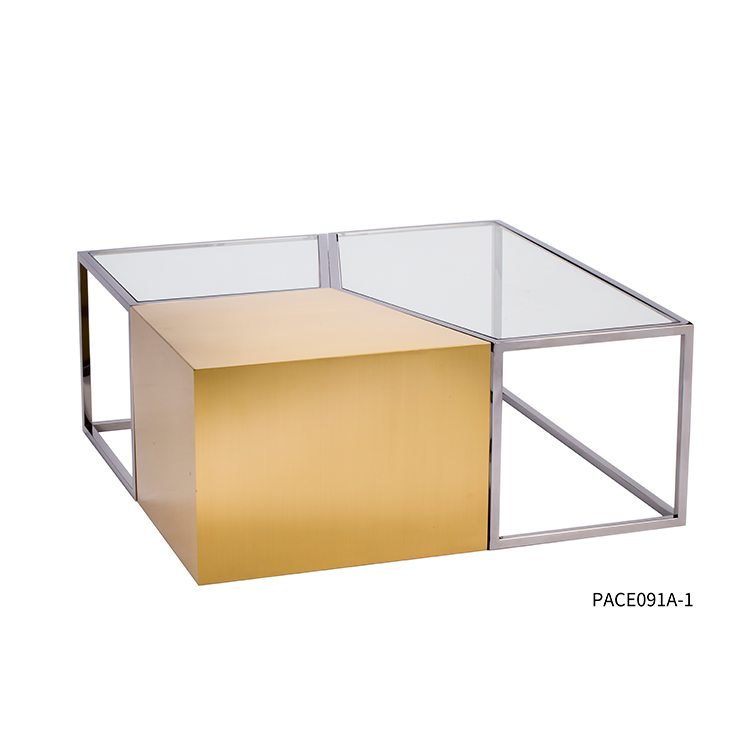
Arranging a limited living space demands careful balance between ease and disorder. Numerous owners and decorators face difficulties placing key items in confined layouts without turning the area into a mere storage spot. The 2/3 rule delivers a numerical and practical method to address these area issues. When you use this ratio for item choice and positioning, the space gains an airy and refined quality. For bulk projects or shop stocks, partnering with a dependable producer such as PNA Furniture brings substantial benefits. Over the years, they have honed the blend of current styles and practical strength, running efficient assembly lines tailored to the strict requirements of North American and European sectors. Their knowledge in business-to-business dealings guarantees that each item, whether relaxation seats or low tables, achieves optimal standards of excellence and cost.
Why Is the 2/3 Rule Essential for Maximizing Small Living Spaces?
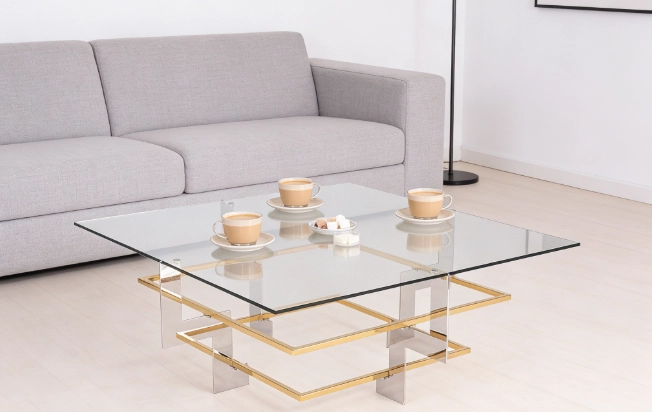
At its heart, the 2/3 rule connects the primary seating with auxiliary items. It recommends that the low table measures roughly two-thirds of the sofa’s length, while the carpet spans about two-thirds of the ground surface. This proportion stems from deliberate design principles. It establishes a focal point that stops furnishings from appearing adrift in expansive areas or crammed in compact ones. Thus, it counters the error of selecting a diminutive table that seems insignificant beside a standard couch.
Mathematical Balance in Interior Design
Using a uniform ratio introduces harmony that observers instinctively appreciate as calming. When scales mismatch, an area seems unbalanced on one side. Therefore, adhering to the 2/3 proportion spreads visual mass equally over the given area, which fosters a cohesive appearance.
Visual Breathing Room and Flow
Confined rooms require unoccupied zones to remain inviting. If the entire surface is occupied, the space feels oppressive. The 2/3 rule preserves sufficient clear space, so individuals can move freely without colliding with edges or stumbling over supports.
Prevention of Common Layout Overcrowding
Frequently, purchasers select items oversized for their plans. This guideline serves as an inherent check in acquisition stages. It directs attention to elements offering peak usefulness within reasonable dimensions, thereby avoiding excessive congestion.
Technical Principles of Proper Furniture Scale and Proportion
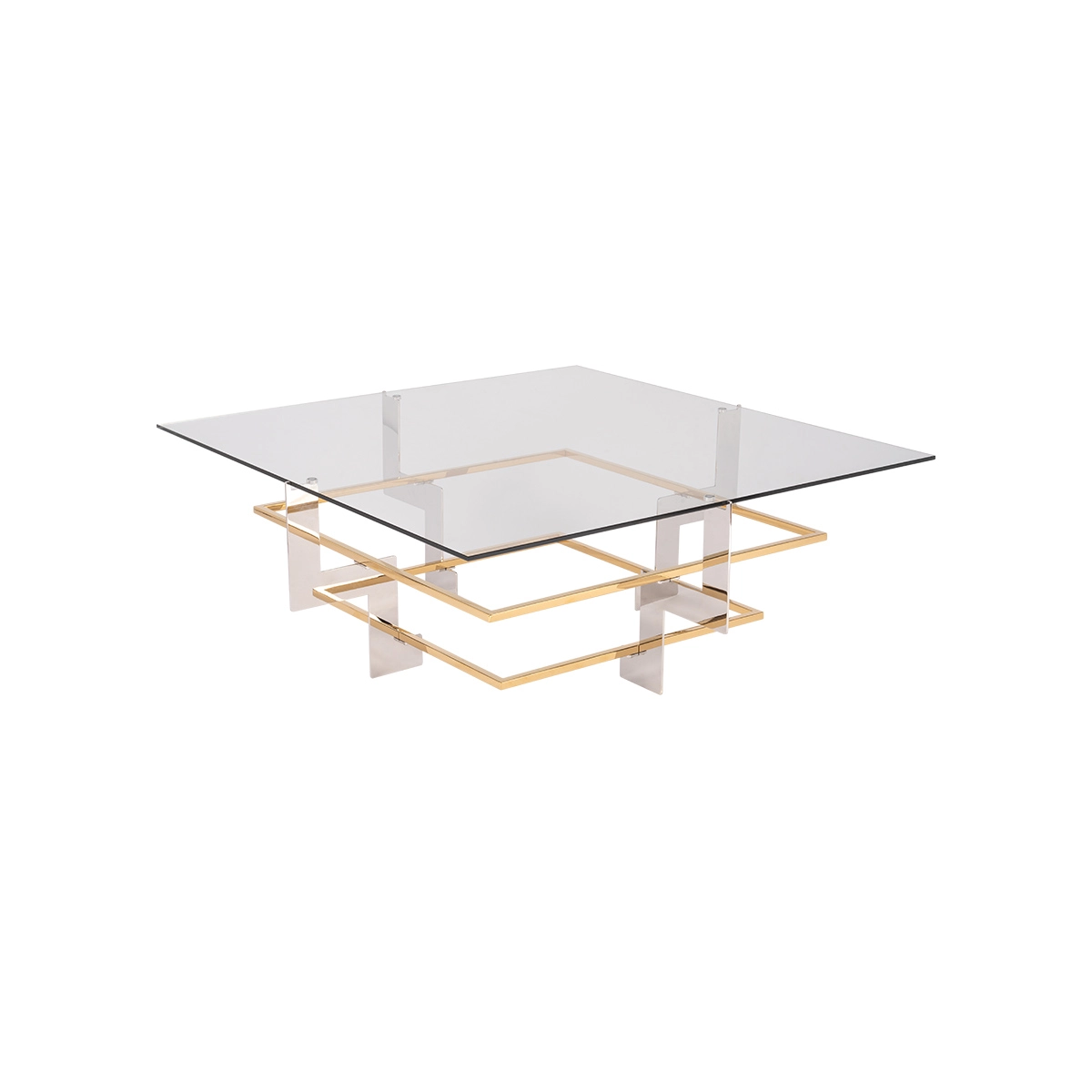
Grasping the technical aspects of the 2/3 rule involves examining the real measurements of sourced items. Dimensions extend beyond length; vertical and horizontal extents matter as well. For example, a low table typically aligns at cushion level or just below. This setup forms a subtle level line that elevates perceived ceiling height. The PACE226A-1 Coffee Table exemplifies how a straightforward, sparse form meets these criteria without excess volume.
Length Ratios Between Sofas and Coffee Tables
A low table at 60% to 70% of sofa length yields ample work surface yet permits smooth access to seats. This precise balance avoids tightness in the central zone. As a result, functionality enhances without spatial strain.
Vertical Space Optimization with Minimalist Profiles
In restricted living areas, cumbersome pieces with dense bases or stout supports consume apparent room. Opt for elevated bases or narrow structures instead. Such choices allow illumination to filter below, creating an impression of expanded flooring.
Geometric Harmony of the PACE226A-1 Coffee Table
This model’s smooth contours preserve unobstructed views through the space. Its metal skeleton and basic surface deliver essential utility minus the clutter of conventional timber designs. Consequently, it integrates seamlessly into varied layouts.
Strategic Furniture Selection for High-Efficiency Living Rooms
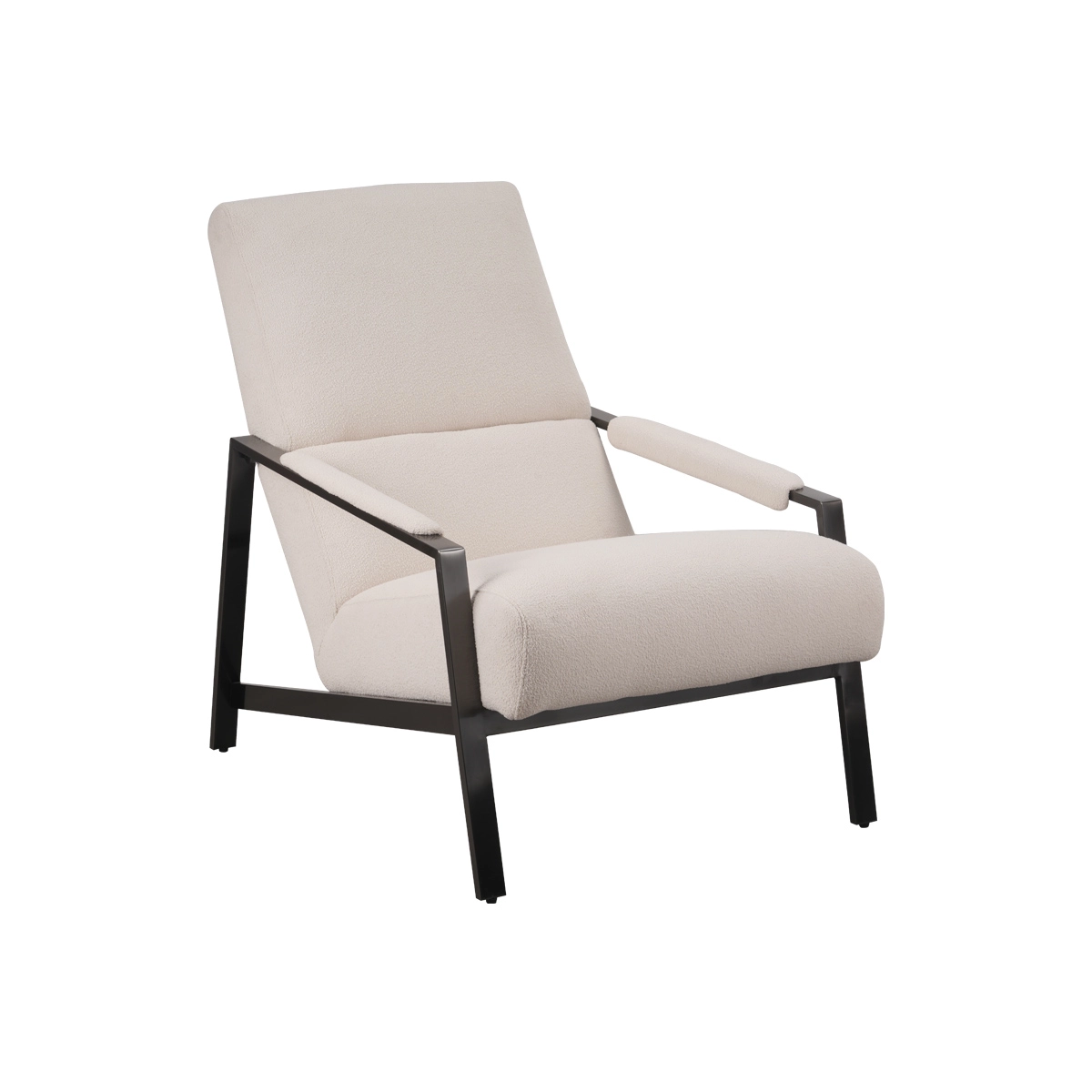
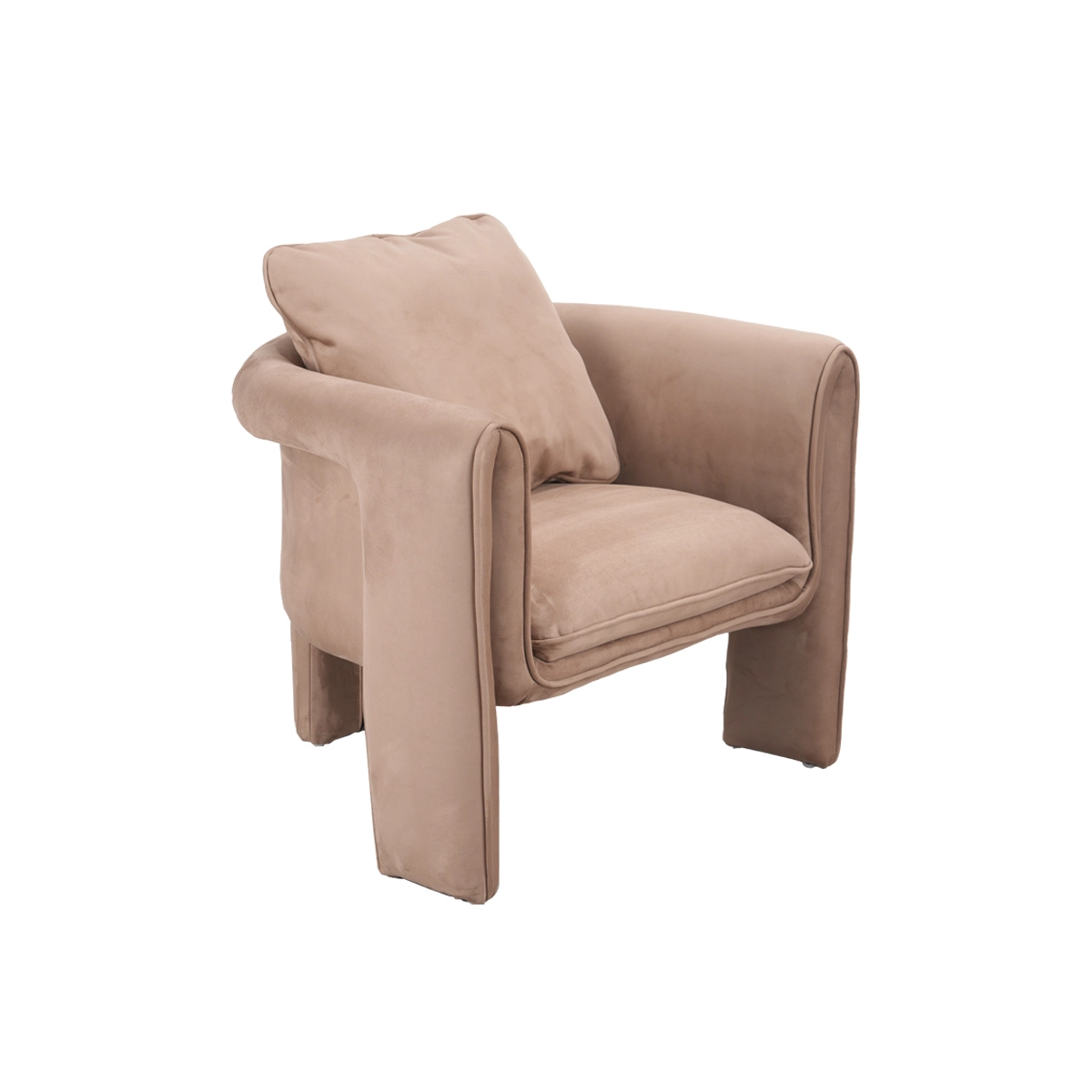
In areas where room is scarce, each furnishing must justify its position. Items serving single roles or dominating without providing relaxation prove inefficient. Choices should emphasize supplementary elements that infuse personality yet maintain adaptable arrangements. A positioned seat can accommodate visitors extra without the broad base of an additional couch. The Leisure Chair PALC027A suits these positions well. It presents an elegant appearance that occupies the remaining one-third space after applying the 2/3 rule to the central sofa.
Compact Versatility of the PALC027A Leisure Chair
Engineered for narrow bases, this seat slots into angles or near openings. It delivers substantial ease without expansive rests that render classic seats unsuitable for urban dwellings. Thus, it adapts readily to tight confines.
Ergonomic Comfort Within a Limited Footprint
Size reduction does not imply reduced ease. Professional furnishings prioritize core builds and padding firmness. You receive necessary backing for extended sessions, all while confining outer sizes.
Multi-Functional Utility of the PALC030A Chair Bed
For hosts with frequent visitors yet no spare chamber, the PALC030A proves invaluable. It acts as an attractive perch by day and converts to a rest area as required. This dual role maximizes utility in constrained homes.
Common Design Pain Points and Professional Solutions
A primary challenge in compact decoration is gradual accumulation of mess. Initial items multiply, transforming the area into a navigation hazard. This arises when elements fail to coordinate effectively. If a seat exceeds table height or the table overtakes the carpet width, disarray prevails despite cleanliness. The remedy involves low-slung, adaptable forms that shift or repurpose with family changes.
Solving the Cluttered Aesthetic in Urban Apartments
Select furnishings with airy appearances. Transparent surfaces, slender alloy bases, and subdued textiles merge with surroundings. This approach generates a breezy sensation, even in dim natural settings.
Addressing the Lack of Guest Sleeping Accommodations
Acquiring transformable items outpaces purchasing oversized sleep sofas. A seat-bed combination enables versatile setups. Chairs relocate simply, unlike fixed full conversions.
Balancing High-End Material Quality with Spatial Constraints
Limited areas gain from premium substances like plush fabrics, stone, or polished alloys. With fewer items, each’s caliber shines prominently. Prioritize endurance over mere size savings.
Global Sourcing Advantages With PNA Furniture in Vietnam
For commercial purchasers and distributors, origin equals content in importance. The sector has undergone notable changes lately, positioning production site as a profitability driver. Relocating to Southeast Asia forms a common tactic for astute firms seeking edge. Ordering from Vietnamese facilities cuts or removes substantial levies linked to other origins. These savings directly boost profits, supporting stronger shop edges or project offers.
Manufacturing Excellence for the North American Market
PNA Furniture applies thorough insight into Western preferences. This encompasses rigorous safety compliance and inclination toward fresh, streamlined forms matching “contemporary rural” or “factory-inspired” styles.
Supply Chain Stability Through Southeast Asian Production
Vietnam boasts superior systems for item assembly. Consequently, delivery schedules prove consistent, and resource procurement streamlines. Concerns over abrupt halts or transport issues diminish compared to alternative centers.
Customizable OEM Solutions for Large-Scale Furniture Projects
From particular textiles for lodging ventures to bespoke coatings for shop ranges, the facility accommodates requests. A collaborator providing vast output alongside precise tailoring remains uncommon at this cost level.
FAQ
Q1: What exactly is the 2/3 rule for rugs in a living room?
A: The rug should cover about two-thirds of the floor space in the seating area. Ideally, at least the front legs of all major furniture pieces should sit on the rug to “tie” the room together.
Q2: Can I use the 2/3 rule for wall art too?
A: Yes. A piece of art or a gallery wall should take up roughly two-thirds of the width of the furniture it is hanging above, such as a sofa or a sideboard.
Q3: Does the 2/3 rule apply to height as well?
A: Generally, yes. Your coffee table should be about two-thirds the height of your sofa’s seat to ensure it is comfortable to reach while sitting.
Q4: Why is sourcing from Vietnam beneficial for US buyers?
A: Sourcing from Vietnam often helps buyers avoid high anti-dumping duties and trade war tariffs. It also provides a more diverse supply chain, reducing the risk of total disruption.


